Roof Repairs in Succasunna NJ for Better Home Resilience
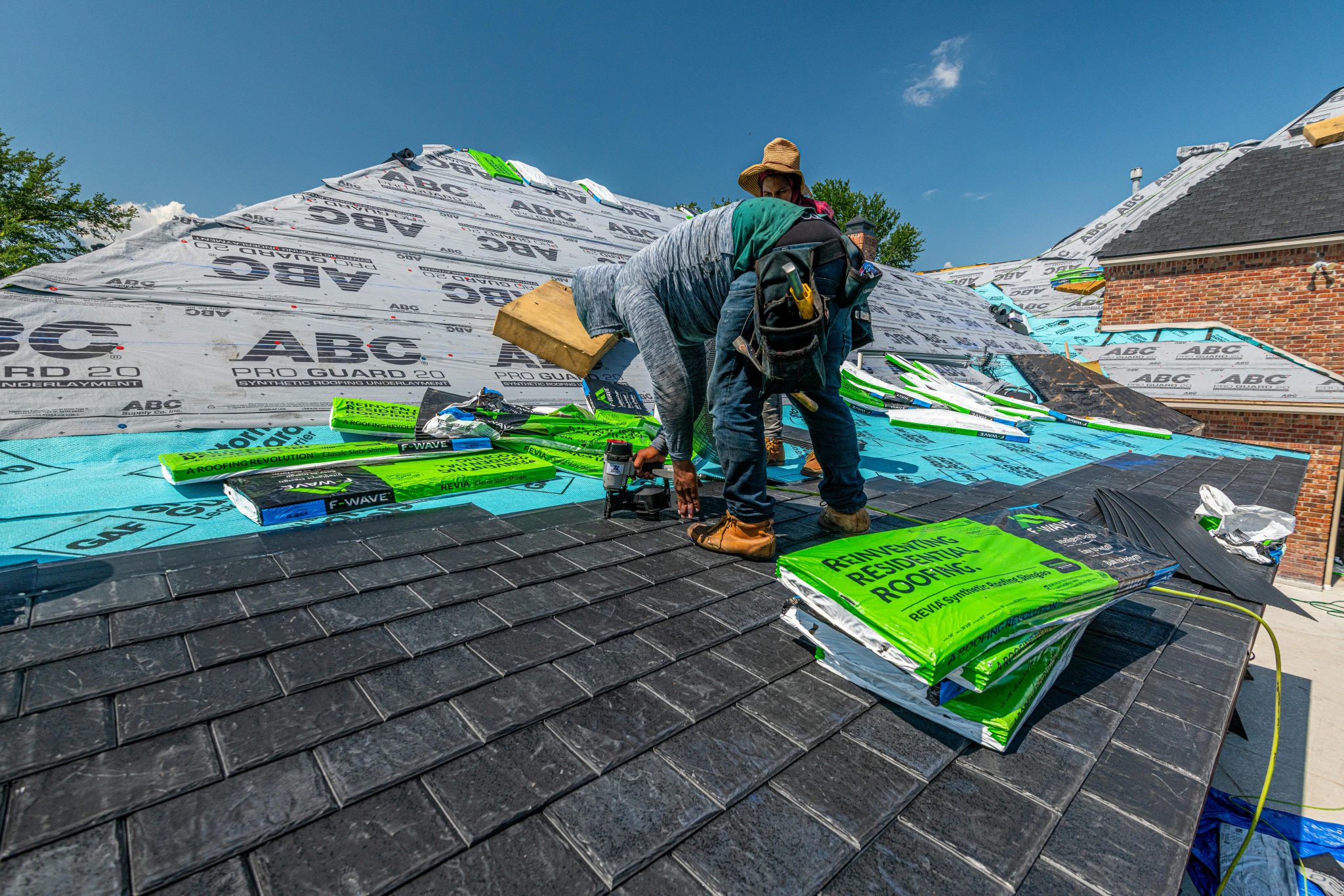
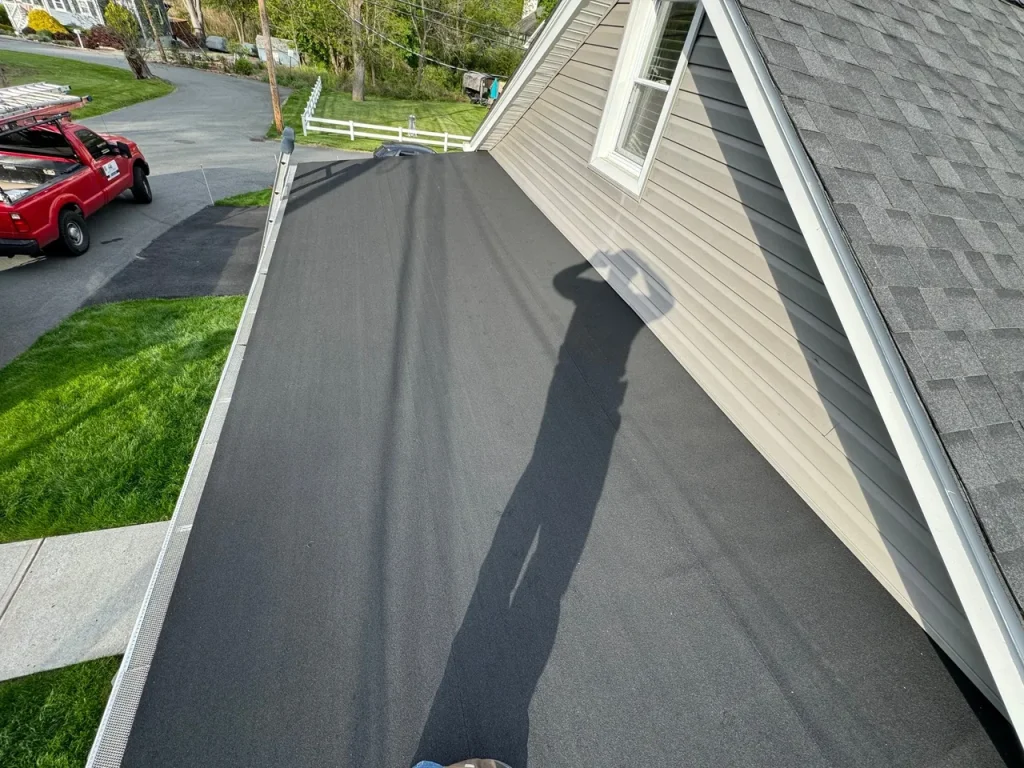

A strong roof does more than keep rain out. In Succasunna, it carries a home through winter snow loads, spring downpours, summer heat, and the kind of wind that tests every flashing edge and shingle tab. When the roof starts to slip, even in small ways, the rest of the house feels it. Moisture finds insulation. Attics warm up. Mold gets a foothold. Energy bills climb. A stain on the ceiling is rarely just a stain.
That is why Roof Repairs in Succasunna NJ deserve a practical, local lens. Homes in Morris County face a very specific mix of weather and aging building materials. Many properties in the area have asphalt shingle roofs that are now well into midlife. Others have additions, dormers, skylights, older chimneys, or ventilation setups that were acceptable years ago but do not perform well under current conditions. Repair work, done thoughtfully and at the right time, can make a home far more resilient without forcing the owner into a full replacement before it is truly necessary.
What roof resilience really means
People often hear the word resilience and think only about storms. Storm resistance matters, of course, but roof resilience is broader than that. A resilient roof handles repeated stress without failing at its weak points. It sheds water cleanly. It breathes properly through the attic. It tolerates freeze and thaw cycles. It does not allow minor wear to become structural trouble.
On a real house, resilience often comes down to ordinary details. A pipe boot that still seals tightly after years of sun exposure. Step flashing that was woven correctly where the roof meets a sidewall. Shingles that were nailed in the proper zone so they stay put during gusts. Ridge ventilation that actually works with the intake at the soffits. Ice and water protection in vulnerable sections. These are not glamorous features, but they are the difference between a roof that ages steadily and one that starts shedding pieces after a https://cesarqyge690.lucialpiazzale.com/finding-honest-estimates-for-roof-repairs-in-succasunna-nj rough season.
In Succasunna, those details matter because local weather does not fail all at once. More often, it exploits a roof a little at a time. Snow sits along a cold eave and melts unevenly. Rain enters at a flashing seam that lifted just enough. A hot attic bakes shingles from below all summer. Years later, the homeowner sees damage that seems sudden, even though the causes have been accumulating quietly.
The local conditions that push roofs harder
Succasunna homeowners know the pattern. Winter can bring ice, sleet, and dense snow. Spring and summer deliver heavy rain and humidity. Fall often fills valleys and gutters with leaves, especially on lots with mature trees. That combination creates several recurring repair issues.
Ice dams are one of the most expensive examples because they are not simply a roofing problem. They often begin with heat loss from the attic. Warm air escapes upward, snow melts higher on the roof, then refreezes at colder eaves. Water backs up behind that ridge of ice and can work under shingles. A repair may involve replacing damaged shingles and underlayment, but the durable fix usually includes air sealing and ventilation improvements inside the attic as well.
Wind-driven rain is another common stressor. A roof may look intact from the yard and still leak when rain hits from a certain angle. This often happens around chimneys, wall intersections, old roof vents, and skylights. The roof covering itself may not be the primary culprit. Flashing details usually are.
Then there is simple age. Asphalt shingles in New Jersey do not always reach the longest lifespan printed in brochures. Sun exposure, attic heat, storm movement, and installation quality all affect real-world performance. A twenty-year-old roof might have a few healthy sections and a few that are close to failure. That is where experienced repair judgment matters. Blanket advice does not help much when one slope is still sound and another has granule loss, curling, and soft decking near the eaves.
Small roof issues that rarely stay small
A lot of homeowners delay Roof Repairs because the problem does not seem urgent. That instinct is understandable. If the leak only appears during a hard rain, or the missing shingles are on the back slope, it is easy to assume the damage is limited. The trouble is that water rarely travels in a straight vertical line through a roof assembly. It can run along a rafter, soak a nail line, or spread into insulation before becoming visible.
I have seen a loose shingle near a plumbing vent turn into stained sheathing over a ten-foot area. I have seen a simple chimney flashing repair reveal rotted trim, damaged mortar joints, and a damp attic corner where air leakage had been feeding condensation for years. None of that started as a crisis. It became one because the roof’s first warning signs were easy to dismiss.
A resilient home depends on catching those warnings early. The roof does not need perfection. It needs timely attention. That usually means repairing defects while they are still localized, before they compromise the deck, the insulation, or the framing below.
Signs your Succasunna home may need roof repairs
There are obvious clues, like active leaks and shingles on the lawn. The more useful signs are often quieter and easier to overlook. If you see dark streaks that are widening, flashing that looks bent or separated, or granules collecting in gutters in unusual amounts, the roof is telling you something. Inside the house, a musty attic smell, damp insulation, peeling paint near the ceiling line, or light showing around penetrations can all point to developing trouble.
These issues deserve a closer look:
- shingles that are cracked, curled, loose, or missing after wind or winter weather
- discoloration or water staining on ceilings, attic sheathing, or around chimney areas
- granule loss in gutters or at downspout exits, especially on older asphalt roofs
- sagging spots or soft areas that suggest trapped moisture in the decking
- repeated ice buildup at eaves, which often signals attic heat loss and poor ventilation
A homeowner does not need to diagnose the full problem from the ground. In fact, guessing can be costly. The point is to recognize when the roof has stopped performing normally and needs a professional inspection.
Repair or replacement, the judgment call that matters
One of the most common questions is whether a roof should be repaired or replaced. There is no honest one-size-fits-all answer. The right decision depends on age, material condition, leak pattern, attic health, and budget horizon.
If a roof is relatively young and the damage is limited to a few shingles, a vent boot, a flashing section, or a localized valley issue, repair usually makes sense. If the roof is older but most of the field shingles still have life left, a strategic repair can buy valuable time, especially if the homeowner is planning broader renovations in a few years.
The math changes when the roof has multiple leak points, widespread granule loss, brittle shingles, recurring ice dam damage, or compromised decking in several areas. At that stage, repeated repairs may cost more in the long run while still leaving the house vulnerable.
The nuance here is important. Good contractors do not treat repair as a lesser service. In many cases, repair is the smarter and more disciplined recommendation. It preserves functioning materials, addresses the actual failure points, and helps the homeowner schedule larger capital work on their own terms. Poor advice goes both ways. Some companies push replacement too early. Others patch a roof that has clearly moved beyond patchable condition. Home resilience depends on honest assessment, not a sales script.
The repair areas that most often fail first
Certain parts of a roof age faster than others. On homes in Succasunna, leaks often begin at transitions rather than in the broad field of shingles. That is why thorough Roof Repairs focus first on the details where water changes direction or meets another material.
Flashing around chimneys is a classic example. Masonry expands and contracts differently than roofing materials, and older sealants can dry out or crack. Counterflashing may loosen. Step flashing may have been installed incorrectly years earlier and only now reveals its weakness. A proper chimney repair does not just involve smearing caulk over a seam. It may require replacing flashing components, addressing adjacent shingles, and in some cases coordinating with masonry work if the brick or mortar is deteriorated.
Plumbing vent boots also fail regularly. The rubber collars harden with UV exposure and eventually split. That can allow water around the pipe penetration, often leading to a leak that stains a bathroom ceiling or wets insulation nearby. It is a straightforward repair when caught early.
Valleys are another high-risk area because they collect concentrated water flow, debris, and winter melt. If leaves sit there season after season, water slows down and finds opportunities to seep under the roof covering. A valley that looks merely dirty from the ground may already have accelerated wear beneath the debris.
Skylights and wall intersections deserve careful attention too. These areas can perform well for years, then start leaking because one component shifted, aged, or was disturbed by previous work. Often, what looks like a failed skylight is actually a flashing issue around it.
Why attic conditions are part of roof repair
A roof is not just what you see outside. The attic often explains why the exterior is struggling. When attic ventilation is unbalanced or insulation is poorly installed, the roof system carries extra stress every day.
Excess heat in summer can shorten shingle life. Moist indoor air that escapes into the attic in winter can condense on cold surfaces and create the impression of a roof leak where no exterior leak exists. Ice dam formation often traces back to attic bypasses around recessed lights, plumbing stacks, hatch covers, or top plates.
That is why a serious roof repair visit should include at least a basic look inside the attic when accessible. The contractor should want to know whether decking is darkened, whether fasteners are rusting, whether insulation is compressed or damp, and whether airflow paths from soffits to ridge are blocked. Exterior repairs without interior context can miss the root cause.
I have seen homes where the visible leak was repaired twice, yet the staining kept returning. The actual problem was condensation from bathroom exhaust venting into the attic, not through the roof. That distinction matters. The roof surface was blamed for a moisture issue created inside the house.
What a well-executed roof repair should accomplish
A proper repair does more than stop water today. It should restore the intended drainage path, protect adjacent materials, and blend into the roof without creating a new weak point. Matching shingles where possible matters, but performance matters more. If a visual match is not exact because the existing roof has weathered, the repair should still integrate cleanly and securely.
The process usually starts with diagnosis. Not guesswork, diagnosis. That may involve checking the attic, lifting surrounding shingles carefully, testing suspect flashing, and looking beyond the most obvious stain. Once the failure point is confirmed, the damaged materials should be removed back to sound surfaces. Trapped moisture, rotten decking, and corroded fasteners need to be dealt with directly, not covered over.
A quality contractor also thinks about what happens next. If one area failed due to poor water flow, debris buildup, or heat loss, they should explain how to reduce the chance of repeat damage. That kind of advice is where professional insight shows up. The repair itself is only part of the job. The reasoning behind it is just as valuable.
Timing matters more than most homeowners think
Roof Repairs are easier, less invasive, and less expensive when scheduled early. That does not mean every concern is an emergency. It means waiting through multiple seasons usually raises the stakes.
Spring is often when winter damage becomes visible. Summer offers good repair conditions, especially for flashing work and shingle replacement, though severe heat can affect scheduling. Fall is a critical window because leaves, clogged gutters, and dropping temperatures can hide problems until the first freeze. Winter repairs are certainly possible in urgent cases, but material handling and seal-down behavior can be more limited depending on conditions.
The best approach is simple. If your roof showed a symptom this season, do not put off inspection until the next one. A repair completed before sustained bad weather almost always protects more than the roof. It protects drywall, insulation, trim, flooring, and the homeowner’s schedule.
The role of gutters, trees, and drainage
A resilient roof depends on what happens at its edges. Gutters that overflow or hold debris can force water back toward the fascia and roof deck. Downspouts that dump too close to the foundation can create a separate moisture problem below. Overhanging branches can scrape shingles, drop debris into valleys, and shade areas long enough to keep them damp.
This does not mean every tree near a house is a problem. Mature shade can help with summer cooling. The trade-off is maintenance. Roof edges and valleys need to stay clear. Gutters need to drain fully. Branches need enough setback to prevent abrasion and reduce the amount of wet leaf matter sitting on the roof.
Homeowners sometimes underestimate how much a clogged gutter can contribute to roof damage. Water is patient. If the easiest exit is blocked, it will find another route, often under roofing components that were never meant to hold standing water.
Choosing a contractor for Roof Repairs Succasunna NJ
Finding the right contractor is less about polished marketing and more about how they inspect, explain, and document the work. For Roof Repairs Succasunna NJ, local experience matters because the climate patterns and common housing styles shape the repair strategy.
A reliable roofing professional should be able to explain where the water is entering, why that area failed, what materials need replacement, and whether the repair is expected to be a short-term measure or a longer-term solution. If they cannot describe the problem clearly, that is a concern. So is a proposal that skips details about flashing, underlayment, deck repairs, or ventilation factors when those issues are relevant.
Before hiring, it helps to ask a few direct questions:
- what evidence points to the exact leak source or damaged area
- whether any decking, flashing, or ventilation corrections are likely once the roof is opened
- how the repair will tie into the existing roofing system
- what signs would indicate the roof is nearing replacement rather than repair
- what maintenance steps can help extend the repaired area’s life
Those questions often reveal the difference between a true repair specialist and someone offering a temporary patch.
Cost, value, and the hidden price of delay
Roof repair costs vary widely because the labor and materials depend on access, pitch, height, damage depth, and how many components are involved. A simple vent boot replacement is one thing. A chimney flashing repair with deck replacement on a steep section is something else entirely. Honest estimates usually reflect that complexity.
What homeowners should focus on is value rather than sticker price alone. The cheapest repair is often the one that leaves the actual water path unresolved. A slightly higher estimate that includes proper flashing work, shingle integration, and replacement of wet or decayed materials usually delivers better long-term protection.
Delay has its own cost. A leak that might have been contained to shingles and flashing can spread into insulation, ceiling finishes, framing, or electrical fixtures. Once interior damage enters the picture, the total bill often multiplies. Even when insurance is involved, disruptions and deductibles add up fast.
Building a more resilient home, one repair at a time
Home resilience is rarely built through one dramatic upgrade. More often, it comes from correcting vulnerable spots before they trigger bigger failures. Roof Repairs play a central role in that process because the roof is the home’s first weather barrier and one of its most overlooked systems.
For homeowners in Succasunna, that means paying attention to the roof after winter, after heavy storms, and whenever something inside the house changes unexpectedly. A small ceiling stain, a draft near the attic hatch, a patch of ice at the eaves that forms every year, these are not random annoyances. They are clues about how the house is handling moisture and heat.
The good news is that many roof problems are manageable when approached with care and local experience. A targeted repair, paired with better drainage or attic corrections, can extend roof life substantially. It can also make the whole house perform better, from lower moisture risk to steadier indoor temperatures.
That is the practical value of Roof Repairs in Succasunna NJ. They are not just about stopping a leak. They are about protecting the structure, preserving the roof you have for as long as it makes sense, and strengthening the home against the next season before it arrives.
Royalty Exteriors
Address: 151 NJ-10 Ste 103A, Succasunna, NJ 07876
Phone number: +19733337234
FAQ About Roof Repairs Succasunna NJ
How much should I pay for roof repairs?
Most homeowners pay an average of $900 to $1,200 for roof repairs, with typical projects ranging from $150 to $3,000+ depending on the severity of the damage.
What are the most common roof repairs?
The most common roof repair is fixing water leaks by replacing damaged, cracked, or missing asphalt shingles and sealing compromised flashing.
Does homeowners insurance pay for roof repairs?
Homeowners insurance pays for roof repairs only if the damage is sudden and accidental, such as from a storm, hail, or a falling tree.